


Brick Pointing Types and Their Uses: A Guide for NYC Property Owners
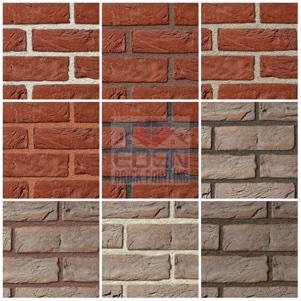 Brick pointing is a technique to repair deteriorated mortar joints. A mason removes the damaged mortar and packs fresh mortar into the joints, which restores the wall’s strength, weather resistance, and appearance. The finish isn’t one-size-fits-all, though. Masons shape the new mortar into different profiles, and each one handles water, wear, and style in its own way.
Here are the eight types you’ll run into, what each is used for, and why it matters in a New York building.
1. Flush Pointing
With flush pointing, the mortar is filled level with the face of the brick, leaving a smooth, flat joint with no ridges, grooves, or overhangs. It’s one of the simplest finishes to execute, and it’s common in modern masonry. A flat joint gives the wall a clean, uniform look, and there’s no raised lip to catch or chip.
Flush joints hold up well in everyday wear, which makes them a practical pick for walls that get bumped, like those beside stoops, driveways, and sidewalks. The tradeoff is that a flat joint doesn’t actively channel water off the wall, so it’s better suited to walls that aren’t taking the worst of the weather. It’s best for general masonry repair and plain brick walls where durability matters more than a decorative look.
2. Recessed Pointing
Recessed pointing sets the mortar slightly behind the brick face. The brick edges stand proud of the joint, and the gap creates shadow lines across the wall. It’s a decorative choice. The shadows make each brick stand out, so the wall looks textured and dimensional. Designers often use it on decorative brick facades to show off the brick pattern.
That recess can hold water. In a city with real freeze-thaw winters, moisture that collects in the joint can freeze and expand, wearing away the mortar and the edges of the brick over time. Recessed joints work best on sheltered walls rather than ones that take direct rain, and they’re best for decorative facades in protected spots. Our guide on protecting your bricks from freeze-thaw damage explains why this matters.
3. Weather Struck Pointing
Weather struck pointing is finished at an angle. The top of the joint is pushed back, and the bottom sticks out slightly past the brick face, creating a slope.
That slope is the whole point. Rainwater hits the wall, runs down the angled joint, and drips off instead of sitting in the mortar. The style is made for exterior walls that get a lot of rain.
It matters because water is the main enemy of any brick wall. A joint that sheds it quickly protects the mortar and the brick behind it, which can mean a longer-lasting repair. It’s a smart choice for street-facing facades, parapets, and other exposed areas.
4. Concave Pointing (Bucket Handle)
Concave pointing is made by pressing a rounded tool into the mortar, leaving a smooth, curved dip. Masons often call it a bucket handle joint, named for the tool that shapes it. It’s one of the most popular finishes because it performs well. Pressing the mortar firmly into the joint packs it tightly against the brick, and the curve guides water away from the wall.
Concave pointing balances looks and weather resistance better than most other styles. It works on residential and commercial buildings and suits most brick types and ages, so it’s a common starting point when owners aren’t sure what to choose. Your mason should still confirm it fits your wall.
Best for: Residential and commercial buildings of nearly any age.
5. V-Joint Pointing
V-joint pointing shapes the mortar into a V-shaped groove, with the point of the V sitting deepest in the joint. It gives the wall a crisp, defined look. The V creates sharp shadow lines that outline every brick, so the brickwork looks precise and tailored. The angled sides help direct water away from the joint, so it offers some weather protection along with the decorative effect. It’s a good option when you want the wall to have strong, clean lines.
Best for: Decorative masonry that needs a sharp, defined look.
6. Beaded Pointing
Beaded pointing leaves a raised, rounded bead of mortar running along the joint, like a thin rope sitting on top of the wall. It’s a decorative, traditional style, chosen for architectural details where a classic, finished look matters. Because the bead sticks out from the wall, it’s more exposed to weather and wear than flatter profiles. It can look beautiful, but it’s a style choice more than a workhorse, and it isn’t the best pick for walls that need to shed water hard.
Best for: Traditional architectural details.
7. Grapevine Pointing
Grapevine pointing presses a narrow groove into the center of the mortar joint, creating a fine, decorative line. The groove is typically made with a special tool that gives it a distinct look. It’s common in traditional brickwork, and you’ll often find it on older buildings that were built with the detail from the start.
It’s best for decorative and historic brickwork. This one matters most when you’re matching existing work. If your building already has grapevine joints, repointing in the same style keeps the wall’s original character intact, which is especially important on historic properties.
8. Tuckpointing
Tuckpointing is a decorative technique. The joints are first filled with mortar matched to the color of the brick. A thin line of contrasting mortar, usually white or light-colored, is then applied on top. The result is a wall that looks like it has very fine, precise joints. That look was a hallmark of fine historic brickwork, and tuckpointing is how it’s recreated during restoration.
It’s a specialized, skilled technique to restore historic buildings, and it isn’t the same as repointing. Repointing is the general process of replacing deteriorated mortar. Tuckpointing is one specific decorative method. Many contractors use the terms interchangeably, so if a bid says “tuckpointing,” ask exactly what the crew plans to do. Our guide to brick pointing vs. tuckpointing vs. spot pointing explains the difference in more detail.
NYC Department of Buildings Rules for Brick Pointing
Picking the right joint is half the job. The other half is knowing which city rules apply before the scaffolding goes up.
Repointing Usually Doesn’t Need a DOB Work Permit
Under the DOB’s current rule, 1 RCNY 101-14 (Table 3), brick repointing is listed as facade work that doesn’t require a permit in any building. That table replaced the DOB’s older Technical Policy and Procedure Notice #1/99, which is the 1999 notice many contractors still reference. Both treat repointing the same way.
When the Work Goes Beyond Repointing, a Permit May Be Required
Pointing often turns up other damage, and that’s where permits come in. The DOB’s 1999 notice lists several masonry jobs that do need a work permit, including mechanically anchoring (pinning) brick to the structure behind it, demolishing and rebuilding a parapet, raising a parapet’s height, saw-cutting new expansion joints, and repairing flashing or relieving angles beyond the replacement limits.
There’s also a limit on swapping out bricks without a permit. Replacing individual bricks in the outer layer of a wall doesn’t require a permit up to 10 square feet, not exceeding 4 feet horizontally, in any 100 square feet of wall area. The DOB’s current guidance carries the same threshold: work areas over 10 square feet require a permit. For larger brick work, see our brick repair and replacement service.
Cleaning and painting masonry and injecting repair mortar into cracks don’t need a work permit under that notice.
A Sidewalk Shed May Be Required Even When No Permit Is
This is the one owners miss. The DOB notes that facade work occurring 40 feet above curb level requires a sidewalk shed to be built before the work starts. The 1999 notice makes the same point more broadly: not needing a work permit doesn’t relieve you of the need for other permits, such as site safety or sidewalk shed permits, or approvals from other city agencies like the Landmarks Preservation Commission.
Landmarked Buildings Have Their Own Review
If your building is landmarked or in a historic district, the Landmarks Preservation Commission is a separate hurdle. The LPC requires permits for most repair and restoration of historic materials, though routine maintenance may not need one, and its guidebook has a dedicated section on repointing masonry facades. Submissions for masonry work can include material samples, such as for repointing. Check with the LPC before work begins, since mortar color, composition, and joint style often come up in review.
Ready to Repoint Your Brick? Talk to Eden Brick Pointing Contractors NYC
Choosing a joint profile is easier when someone has looked at your actual wall. Eden Brick Pointing Contractors NYC can inspect your brickwork and explain which pointing style fits your building’s age and exposure, and flag any permit or sidewalk shed requirements before work starts. Learn more about our brick pointing service.
Whether you’re dealing with crumbling joints on a brownstone, a weathered parapet, or a facade that needs attention ahead of an inspection, a quick conversation can save you from costly surprises later. Contact us today to request an estimate for your property.
Call 718-729-3121 or complete our online request form.


