


Can Brick Pointing Be Done in Winter?
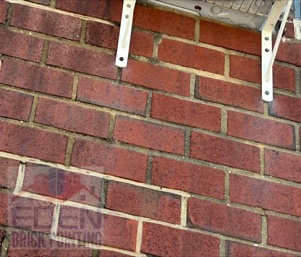 Brick pointing is usually planned for spring, summer, or fall, but New York building owners don’t always get to pick the season. A leaking joint in January or a violation with a deadline can’t always wait for April. So can brick pointing be done in winter? Read on to learn when it works, when it doesn’t, and what it takes to do it right.
The short answer is yes, but only on the right days and with the right precautions. As a general rule, new mortar needs the wall and the air to stay at 40°F or above while it sets, and it must never freeze before it cures. In NYC that means winter brick pointing is possible during milder stretches or inside a protected work area, but not on a hard-freeze day.
Why Cold Weather Is a Problem for Mortar
Mortar doesn’t just dry. It cures through a chemical reaction, and that reaction slows down as the temperature drops. Industry guidance puts the critical point at about 40°F, where cement hydration slows and eventually stops. No curing means no strength.
Freezing is the bigger risk. If water in fresh mortar freezes before the mortar sets, the mortar can end up weak, cracked, or crumbly, and the damage often doesn’t show for a season or two. Water that gets into the joints later does the same thing on its own schedule: it freezes, expands by about 9 percent, and pries the joint open. Our guide on protecting your bricks from freeze-thaw damage covers this in more detail.
New York’s winters make this a real concern. According to the National Weather Service, Central Park’s normal January high is only about 39.5°F, and the normal low is about 27.8°F. Overnight temperatures fall to 32°F or below on roughly 67 nights in a typical year. Plenty of winter days start below freezing and warm up just enough to tempt a crew.
Temperature Guidelines for Winter Pointing
Masonry industry standards give clear steps for working in the cold. The Brick Industry Association’s Technical Note 1, which follows the TMS 602 specification, calls anything below 40°F “cold weather” and sets out what has to change.
| Temperature | What Careful Contractors Do |
|---|---|
| 40°F to 95°F, holding for at least 48 hours | The ideal window. The National Park Service says wall temperatures in this range prevent both freezing and mortar drying out too fast |
| 25°F to 40°F | Heat the mixing water and sand so the mortar stays between 40°F and 120°F, keep frozen or icy materials out, and cover the finished work with a weather-resistant membrane for at least 24 hours |
| 20°F to 25°F | Add insulating blankets or equal protection, warm the wall surface being worked on, and block the wind |
| Below 20°F | Use a heated enclosure and heat sources, and keep the work above freezing for at least 24 hours afterward |
These rules come from new masonry construction. Restoration standards are often stricter. The U.S. General Services Administration’s historic repointing procedure, for example, calls for heated mixing water and for mortar to be kept above 40°F for at least 48 hours after the work is finished.
What It Takes to Do Winter Brick Pointing Right
A contractor who works in the cold does it differently. Here is what that usually involves:
- Reading the forecast, not just the thermometer. The temperature at 9 a.m. matters less than where it will be for the next 48 hours.
- Heating the materials. Mixing water and sand are warmed so the mortar goes on well above freezing.
- Clearing the joints. Ice, snow, and frozen moisture have to come out before any mortar goes in.
- Working in small batches. Mortar is mixed and used quickly so it doesn’t sit and chill.
- Protecting the work. Tarps, enclosures, and insulating blankets keep the new mortar above freezing while it sets, usually for at least 24 to 48 hours.
- Skipping antifreeze additives. Preservation specifications warn against lowering the freezing point of mortar with admixtures, and against chlorides in particular.
All of this adds labor and materials, which is why winter pointing is rarely the cheapest option. It’s about protecting the work you’re paying for. For a full breakdown of pricing, see how much brick repointing costs in NYC.
Lime Mortar Needs More Time
Older New York brick, especially pre-war brownstones and rowhouses, was often built with soft, lime-based mortar. Lime cures slowly, by absorbing carbon dioxide from the air, and it takes longer to gain strength than standard mortar.
Some restoration guides call for temperatures above 40°F for at least seven days after lime mortar goes in, and some specifications ask for even longer. That’s hard to guarantee in a New York winter.
It’s also tempting to speed things up by adding more cement to the mix. That’s a mistake. Mortar that’s harder than the brick can trap moisture and cause the brick faces to spall. For older buildings, the right mortar is a softer one that matches the original, which is why historic work is usually scheduled for warmer months. Our brick pointing team can tell you what your building needs.
When It’s Better to Wait
Winter pointing makes sense in some situations and not in others. It’s usually smarter to wait when:
- The forecast shows lows in the teens or low 20s for several days
- There’s snow, ice, or standing moisture on the wall
- It’s windy, especially on exposed parapet walls and upper floors
- The building has soft historic brick that needs lime mortar
- The job is a large, full-facade project that can be scheduled for spring without risk
Spring and fall are usually the sweet spot. They avoid freezing nights and also avoid summer heat, which can dry mortar out too quickly.
Some things shouldn’t wait for warm weather at all. Loose or falling brick, a leaning parapet, or a facade that has been flagged unsafe needs attention now, even if that starts with protecting the area and making a temporary repair before the full repointing.
What You Can Do in the Winter
Even if the pointing itself has to wait, winter isn’t wasted time.
- Check the joints. Press a screwdriver into the mortar. If it sinks in more than 1/4 inch, or crumbles, that joint is due.
- Look for water damage. Check for flaking brick, white powder, and stains below roofline edges and windows.
- Get an estimate and a schedule. Contractors book up for spring. Landmarks approvals and scaffolding permits take time too, so starting early can keep your project on track.
- Keep salt off the brick. De-icing products can damage brick and mortar near the ground.
- Clear gutters and downspouts. Water running down the wall is the thing that does the most harm.
If the damage is more than the mortar, such as brick that’s spalling or cracked through, our brick repair and replacement service covers that too.
Why Choose Eden Brick Pointing Contractors
Since 2003, Eden Brick Pointing Contractors has been working with residential and commercial clients in New York City and the surrounding areas. If you’re not sure whether your project can go ahead now or should wait for warmer weather, we’ll give you an honest answer. See our full range of masonry services in NYC, and take a look at our latest projects.
Frequently Asked Questions
Can brick pointing be done in winter in NYC?
Yes, but only when the temperatures and the forecast allow, and with cold-weather precautions such as heated materials and protection for the fresh mortar. On hard-freeze days it should wait.
What is the minimum temperature for brick pointing?
Most guidance calls for wall and air temperatures of at least 40°F while the mortar sets. Industry standards allow work below 40°F only with cold-weather measures, and below 20°F they call for a heated enclosure.
What happens if mortar freezes before it cures?
It can lose strength and become cracked or crumbly. The damage may not show right away, but the joint can fail within a season or two.
How long does mortar need to stay above freezing?
Standard practice is to protect fresh mortar for at least 24 to 48 hours. Historic specifications often ask for 48 hours above 40°F, and lime mortar can need a week or more.
Does winter brick pointing cost more?
It can. Heating materials, enclosures, and protection add labor and materials, and cold days can slow the work down.
What is the best time of year for brick pointing?
Spring and fall are usually the best. Temperatures stay in the range the National Park Service recommends, roughly 40°F to 95°F, without freezing nights or mortar-drying summer heat.
Should I repoint right before winter?
Only if the mortar has time to cure first. Late-fall pointing carries risk if freezing weather arrives early, especially with lime mortar, which cures slowly. It’s better to finish before the first hard freezes.
If you would like to know whether your brickwork can be pointed this winter, please call 718-729-3121 or complete our online request form.


