


How Much Does It Cost to Tuckpoint a Chimney in NYC?
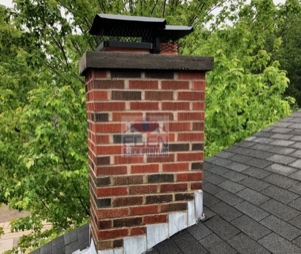 Chimney tuckpointing in NYC typically costs $500 to $2,500, although extensive repairs can run considerably higher. A small chimney with a few deteriorating mortar joints is usually less expensive to repair than a tall masonry stack that needs extensive repointing, scaffolding, or brick replacement. The biggest cost factors are the amount of damaged mortar, roof access, and the condition of the existing brickwork.
If you’re comparing estimates, don’t focus on the total alone. Two contractors might quote very different prices because one plans to repair a few joints while the other recommends repointing the entire chimney. Understanding what’s included can help you avoid paying for work you don’t need or overlooking repairs that could become more expensive later.
What Most Homeowners Pay for Chimney Tuckpointing
Chimney tuckpointing generally costs $8 to $30 per square foot, depending on the condition of the masonry and the difficulty of the work. Some contractors charge by the hour, with labor rates commonly estimated at $50 to $125 per hour. Small jobs may also carry a minimum service charge to cover travel, equipment, and setup.
That minimum charge explains why repairing a handful of mortar joints can cost more than you’d expect. Even a small chimney repair requires preparation, safe access, mortar mixing, and cleanup.
Here’s how the costs can break down:
- Small, localized mortar repairs: $300 to $700
- Standard chimney tuckpointing: $500 to $2,500
- Extensive chimney repointing: $2,500 to $5,000+
- Complex or difficult-to-access chimney work: $5,000 to $7,000+
These are general budgeting estimates, not guaranteed NYC prices or quotes from Eden Brick Pointing Contractors. Your actual cost will depend on the chimney’s size, the extent of the damage, and the equipment needed to reach it.
One distinction is worth understanding before you request estimates. Repointing means removing deteriorated mortar and replacing it with fresh mortar. Traditional tuckpointing uses contrasting colors of mortar or a similar finishing material to create the appearance of narrow, uniform joints. Although the terms are often used interchangeably in residential repair, the finishing method can affect the scope and price. Our guide to the difference between brick pointing, tuckpointing, and spot pointing explains this in more detail.
What Moves Chimney Tuckpointing Cost Up or Down?
Following are some of the factors that drive the overall cost.
Height and Location of Chimney
A chimney that’s easy to reach from a flat roof is generally less expensive to repair than one perched above a steep roof or several stories above the street.
Height affects more than the time it takes to complete the work. Contractors must consider how workers will reach the chimney, move materials, protect the roof, and work safely around the building’s edges. Depending on the property, scaffolding or specialized access equipment may be necessary.
In NYC, this can make a noticeable difference. A townhouse chimney may require a different setup from a chimney on a taller apartment building, even when both have similar amounts of damaged mortar.
Before accepting a quote, ask whether the price includes access equipment, setup, and any necessary protective measures. A low estimate that excludes these costs might not be the least expensive option once the work begins.
The Condition of the Brickwork
Tuckpointing repairs mortar joints, not damaged bricks. If the bricks themselves are cracked, loose, or flaking apart, those problems need separate attention.
A contractor may need to remove individual bricks, install replacements, and repoint the surrounding joints. That adds labor and materials to the project. See how much brick replacement costs in NYC for typical prices.
It’s also important to distinguish ordinary mortar deterioration from structural movement. A few eroded joints don’t necessarily indicate a major structural problem. A leaning chimney, widespread cracking through the bricks, or visibly displaced masonry is more concerning and may require a professional structural assessment.
Replacing mortar without addressing serious underlying damage can leave you with a repair that doesn’t last.
The Mortar Type and Color
Choosing the right mortar is particularly important for older NYC buildings.
Many historic brick chimneys were built with softer bricks and lime-rich mortar. Replacing that mortar with a mix that’s significantly harder than the original can put additional stress on the bricks, potentially contributing to cracking and surface deterioration.
The replacement mortar should be compatible with the existing masonry, including its strength, composition, and moisture-handling characteristics.
Color matters, too, especially if the chimney is visible from the street. Fresh mortar often looks different from cured mortar, so a careful mason may prepare a sample before settling on the final mix.
Matching older mortar can require additional testing and preparation. However, the goal isn’t simply to make the joints look new. It’s to repair the chimney without damaging the original brickwork.
Labor and Weather Conditions
Most of the work involved in chimney tuckpointing is labor-intensive. The contractor must remove deteriorated mortar, clean the joints, prepare the surfaces, install the replacement mortar, and finish the joints properly.
The materials may represent a relatively small portion of the bill, but the quality of the workmanship has a direct bearing on the repair.
Weather can affect the schedule and the installation process. Mortar needs suitable conditions to cure properly, and cold temperatures can interfere with that process. Hot, dry, or windy conditions can also affect moisture loss.
Winter repairs aren’t automatically impossible, but they may require additional protection and carefully controlled curing conditions. If the weather makes proper installation impractical, postponing the work may be the better choice.
Other Chimney Repairs That Can Increase Your Bill
Once a contractor examines the chimney, the mortar joints may turn out to be only part of the problem. Water can enter masonry through several points, and repairing one area won’t necessarily correct a defect somewhere else.
Here are some additional repairs that may appear in a chimney estimate:
- Minor flashing repairs: $200 to $700
- Chimney cap replacement: $200 to $700
- Chimney crown repair: $300 to $1,200+
- Partial chimney rebuilding: $1,500 to $5,000+
- Extensive chimney reconstruction: $4,000 to $15,000+
- Masonry water-repellent treatment: $0.50 to $4 per square foot
These figures are broad planning estimates. They aren’t fixed NYC rates, and the price of a particular repair can fall outside the ranges shown.
A chimney crown, for example, protects the top of the masonry from water entry. If it’s cracked or deteriorating, repointing the vertical joints won’t correct the crown defect.
Flashing is another common source of trouble. The metal flashing where the chimney meets the roof helps prevent water from entering the building. If that connection is damaged, the resulting leak may have little to do with the mortar joints.
A contractor should identify the source of the problem before recommending additional work. Otherwise, you could pay for tuckpointing and still have water entering through a different part of the chimney.
What NYC Property Owners Should Know Before Hiring a Mason
Chimney tuckpointing in New York City involves more than choosing a mortar and scheduling a crew. Depending on the building and the scope of work, permits, worker access, public protection, and historic preservation requirements may affect the project.
Do You Need a NYC Department of Buildings Permit?
Not every masonry repair requires a building permit. Certain ordinary repairs may qualify for exemptions, but that doesn’t mean every chimney repointing or rebuilding project can proceed without authorization.
The scope of work matters. Replacing deteriorated mortar is different from reconstructing a chimney, making structural alterations, or undertaking work that falls under other building requirements.
Property owners should confirm the applicable requirements with the NYC Department of Buildings or a qualified design professional before work begins. Don’t assume that an exemption for one type of masonry repair applies to the entire project.
Check the Contractor’s License and Written Agreement
Before hiring a masonry contractor, find out whether the work requires a Home Improvement Contractor license under NYC rules. Certain residential repair projects fall under licensing requirements, and the applicable rules depend on the work being performed.
Ask for the contractor’s license information and verify it through the appropriate city agency. You should also request a written agreement that explains the work, total price, payment schedule, and any exclusions.
The estimate should identify the areas being repaired and clarify whether scaffolding, brick replacement, cleanup, and additional masonry work are included.
If a contractor says permits are unnecessary, ask what that determination is based on. A clear explanation is more useful than a general assurance that the project doesn’t require approval.
Account for Sidewalk Sheds and Public Protection
Chimney work on taller buildings can require additional protection for pedestrians and surrounding property. Depending on the building and work conditions, a sidewalk shed or other protective equipment may be necessary.
These arrangements can add setup, rental, and removal costs to a project. They may also involve separate permits or approvals.
Don’t assume that every chimney repair requires a sidewalk shed or that every project is exempt. The building’s location, height, access conditions, and applicable safety requirements determine what is needed.
Ask your contractor to identify any anticipated public-protection costs before you approve the work.
Check Landmark and Historic-District Requirements
If your property is landmarked or located in a designated historic district, additional review may apply.
The NYC Landmarks Preservation Commission may require approval for work that affects protected exterior features. Depending on the proposed repairs, the review may consider the mortar’s color, texture, composition, and relationship to the existing masonry.
That can mean additional preparation before construction begins. For some projects, the contractor may need to prepare mortar samples or provide information about the proposed repair materials.
If your building is historic, confirm the requirements early. Waiting until the crew is ready to start can lead to delays and unexpected expenses.
Can You Tuckpoint a Chimney Yourself?
You can buy mortar and masonry tools for a DIY repair, but working on a chimney is more complicated than filling visible gaps.
The deteriorated mortar must be removed to an appropriate depth without damaging the brick edges. The joints need to be cleaned and prepared, and the replacement mortar must be compatible with the existing masonry.
Working at roof height adds another concern. A mistake with access or fall protection can have serious consequences, particularly on a steep roof or a multistory NYC building.
DIY work may be reasonable for someone with the right masonry experience and a safe, accessible work area. For most homeowners, though, hiring an experienced professional is the more practical option, especially when the chimney is tall, the bricks are deteriorating, or the building is historic.
How to Compare Chimney Tuckpointing Estimates
Getting multiple estimates is useful, but the cheapest quote isn’t always the best value. Start by asking each contractor to inspect the chimney and describe the work needed.
Make sure the estimates address the same areas and use comparable scopes of work. One contractor may recommend repairing a few joints, while another may propose repointing the full chimney.
Before signing an agreement, confirm these details:
- Repair scope: Which sides and sections of the chimney are included?
- Mortar selection: Is the proposed mortar compatible with the existing brickwork?
- Brick replacement: Are damaged bricks included in the estimate?
- Access and protection: Are scaffolding, roof access equipment, and necessary protective measures covered?
- Additional repairs: Are flashing, crown, and chimney cap work included or excluded?
- Permits and approvals: Who will determine what is required and arrange any necessary filings?
- Cleanup: Does the price include removal of debris and protection of nearby surfaces?
- Payment terms: Is there a written payment schedule tied to the work?
Ask about the contractor’s experience with similar buildings, too. Repairing a modern chimney on an accessible roof isn’t exactly the same as restoring old brickwork on a historic NYC townhouse.
A detailed estimate helps you understand what you’re paying for and makes it easier to compare contractors fairly.
Get a Chimney Tuckpointing Estimate From Eden Brick Pointing Contractors
If your chimney has cracked mortar, missing joints, or deteriorating bricks, the first step is finding out whether it needs localized repairs or more extensive repointing.
Eden Brick Pointing Contractors can help you evaluate your chimney masonry needs and determine the appropriate repair scope. The right approach depends on the condition of the mortar, the stability of the bricks, and the access required to complete the work.
Visit Eden Brick Pointing Contractors to request an estimate. Providing your property address and photographs of the visible damage can help start the conversation.
A clear assessment gives you a better understanding of the work required, the factors affecting the price, and whether additional repairs should be considered before the project begins.


